Cheers to Pour: A Practical Embroidery Design Review
As a designer and embroidery product reviewer with years of hands-on experience, I always approach new digital designs with a mix of curiosity and caution. The Wine Svg Design, Cheers to Pour, caught my attention not just for its theme but for how it might translate into real-world stitching on various projects. Let me walk you through the process of evaluating this design from a practical standpoint—how it looks, where it shines, and when to tread carefully.
First Impressions: Mood and Layout
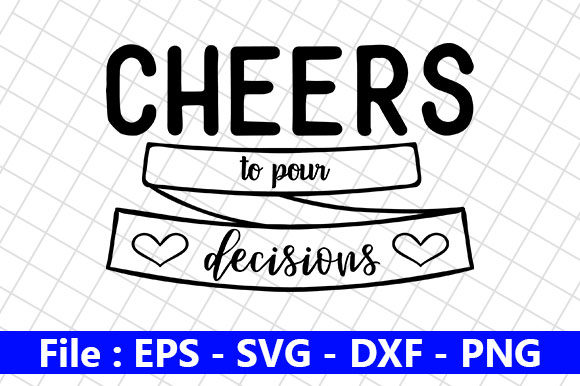
The moment I opened the SVG file, I was drawn in by the charm of Cheers to Pour. It’s a wine-themed design that feels both playful and elegant. The layout features a stylized glass of wine with subtle swirls and a "cheers" motif, suggesting celebration or appreciation. The balance between negative space and stitched areas is thoughtful, making it adaptable for multiple applications.
I appreciated the clean lines and moderate detail level. This isn’t an intricate floral masterpiece, but it doesn’t need to be. For many craft business owners and Etsy sellers, simplicity can be more effective than complexity, especially when aiming for a professional yet approachable aesthetic. The shape is versatile enough to fit on a tote bag, a sweatshirt sleeve, or even as a decorative patch.
Visual Personality and Project Fit
This design naturally aligns with casual apparel, home décor, and personalized gifts. Its friendly tone makes it ideal for handmade products like aprons, tea towels, or holiday-themed items. I could see it being used for a boutique line of wine-themed apparel or as part of a gift set for a small shop. It also has potential as a design asset for printable mockups or digital storefronts, offering a quick visual boost without overwhelming the eye.
One thing I noticed right away is that the design includes text. That’s great for branding and personalization, but it also means careful attention must be paid to font clarity and stitch definition. The lettering is bold enough to hold up in most cases, but if you're planning to use it on smaller formats, testing will be key.
Real-Life Application: What Works Well
Let’s say I’m preparing a custom embroidered tote bag for a local winery pop-up event. Cheers to Pour would look fantastic there. The SVG format allows for easy resizing, so I can scale it down to fit a 6x10 inch hoop or expand it for a larger canvas. The DXF and EPS files add flexibility for those using vector-based software, which is helpful for commercial embroidery workflows.
- Custom Apparel: The design works well on t-shirts and sweatshirts. Its central placement suggests it could serve as a focal point, especially in a monochromatic thread color scheme.
- Baby Clothes & Patches: While the subject is adult-oriented, the soft curves and non-intrusive details mean it can be adapted for children's items with a slight shift in palette. As an embroidered patch, it holds promise for adding character to denim jackets or backpacks.
- Pillow Covers & Tea Towels: These are prime candidates for the Wine Svg Design. The layout fits neatly within rectangular spaces, and the theme complements kitchen and living room décor.
- Holiday and Wedding Gifts: With a few tweaks in color, this design could become a festive or celebratory element on gift bags, napkins, or even holiday embroidery projects.
In terms of stitching performance, the design uses a combination of satin stitch for outlines and fill stitch for the body, which is a solid foundation for most machines. There’s some use of running stitch for the finer elements, which keeps the file manageable in size and stitch count. But since the exact stitch count and machine compatibility aren't provided, I recommend confirming these details before committing to a production run.
Where to Use with Caution
While Cheers to Pour is a strong contender for many embroidery projects, it’s not universally perfect. Here are a few scenarios where you might want to take extra precautions:
- Small Hoop Sizes: The design is fairly compact, but the text and swirling details may get lost in tight spaces. If you’re working with a 4x4 inch hoop, consider simplifying or scaling back the elements.
- Textured Fabrics: On flannel, felt, or similar materials, the fine lines may not stitch cleanly. You’ll need to adjust stitch density or pre-treat the fabric to ensure quality results.
- Thin or Stretchy Fabrics: Delicate weaves or stretchy knits could distort under the weight of dense stitches. A stabilizer is essential here, and again, adjusting stitch density will help prevent puckering.
- Dark Backgrounds: The default thread colors work best on light fabrics. On darker bases, visibility drops unless you choose high-contrast threads like white or metallic. Testing on scrap fabric is a must.
- Curved Surfaces: Embroidering on caps or curved parts of garments may cause distortion. Always check how the design behaves on a test piece before moving to a finished item.
Also, while the PNG included gives a good visual reference, it lacks stitch direction and layer information. So, relying solely on the image preview might lead to unexpected outcomes when it comes to thread colors and stabilizer needs.
Customer Perception and Brand Value
From a customer perspective, the Wine Svg Design adds a touch of sophistication and fun. It’s the kind of design that immediately evokes warmth and celebration, making it highly giftable. Whether it's a personalized baby item or a trendy tote bag design, the design helps elevate the product value and gives your brand a consistent visual language.
However, because the design is thematic, it might not resonate with all audiences. Consider your target market—if they lean toward minimalist or neutral styles, this could feel too much. But for niche markets like wine lovers, craft fairs, or themed boutiques, it’s a winner.
Designer Notes: Best Practices Before Stitching
Before using Cheers to Pour in any project, here are a few things I’d recommend doing:
- Test on Scrap Fabric: Especially if you're using it for commercial orders or client projects. Different fabrics react differently to embroidery.
- Check Thread Color Contrast: Make sure the colors stand out against your chosen fabric. White or metallic accents can really bring out the design on dark materials.
- Review Stitch Density: Areas with fill stitch should be tested for tension and puckering. Adjust the density based on fabric thickness.
- Confirm Hoop Size: Even if the design appears small, it might require more space due to seam allowances or stabilizer needs.
- Inspect Small Details: Look closely at the text and corners. Sometimes tiny elements can cause issues with cutting or stitching accuracy.
- Use Proper Stabilizer: Especially for delicate or stretchy fabrics. Tear-away won’t always cut it—consider using wash-away or cut-away stabilizers depending on the item.
- Test in Black and White: This helps determine whether the design relies too heavily on color for impact.
- Compare Light and Dark Fabrics: See how the design translates across different tones to ensure visual consistency in your product line.
- Check Licensing Terms: Since this is a digital embroidery file, verify whether it can be used for commercial embroidery or only for personal use. Selling finished items or digital downloads may require a specific license.
Final Thoughts for Makers and Sellers
Cheers to Pour is a design that brings personality and charm to a variety of crafts and graphics projects. It’s not overly complex, but it has enough character to stand out. As a machine embroidery design, it offers good versatility, though it does come with a few caveats that every seasoned embroiderer knows to respect.
If you’re an embroidery designer or small shop owner, this could be a valuable addition to your design assets library. Just remember to adapt it to your materials and intended use. The right adjustments can turn a simple SVG into a standout finished product that customers love and trust.
Overall, I found Cheers to Pour to be a reliable and appealing choice for many embroidery projects. It supports creativity, professionalism, and customer engagement when used thoughtfully. Just don’t forget to stitch a sample first—you’ll thank yourself later.