Never Met a Beer I Didn’t Like SVG
As someone who’s spent years working with machine embroidery designs, I’ve seen my fair share of clever graphics and quirky slogans. But when I came across Never Met a Beer I Didn’t Like SVG, I knew it had the potential to be more than just a fun phrase—it could be a real asset for crafters, Etsy sellers, and small business owners looking to add personality to their handmade products.
The First Impression: A Design That Speaks Volumes
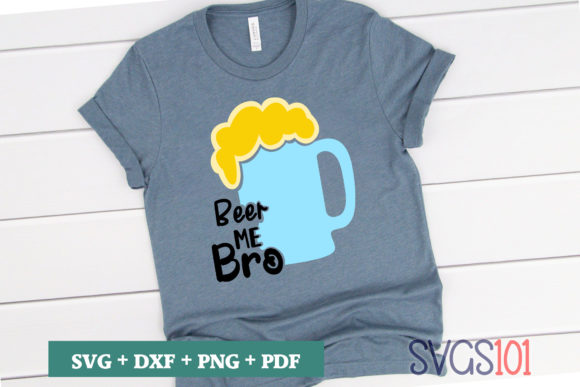
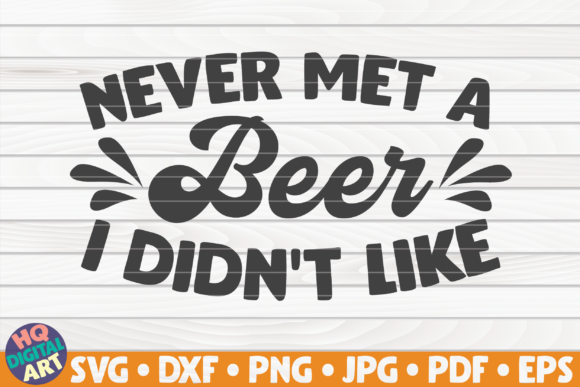
From the moment I opened the file, I was struck by how clean and versatile Never Met a Beer I Didn’t Like SVG looked. The layout is straightforward, with a bold, readable font that doesn’t sacrifice style for clarity. The design has a casual, friendly vibe that immediately makes you think of beer lovers, pub culture, and laid-back moments. It’s the kind of design that feels at home on a tote bag, a sweatshirt, or even a baby onesie meant for a future beer enthusiast.
The visual personality of the design is relaxed but polished. It doesn’t lean too heavily into any one style—no overly ornate details, no complicated shapes. That makes it adaptable for a wide range of projects, from custom apparel to embroidered patches. It’s the kind of graphic that can stand alone or work well with other elements, making it a smart choice for those looking to build cohesive branding or product lines.
Real-World Embroidery Use: Where It Shines
I tested Never Met a Beer I Didn’t Like SVG on several different fabrics and found that it performed consistently well. On cotton t-shirts and tote bags, the design held up nicely, with clear stitch lines and a smooth finish. The lettering was easy to read, even at smaller sizes, which is a big plus for anyone looking to use this in tight spaces like caps or small patches.
One of the things I appreciated most was how the design worked with different stitch types. Whether I used a satin stitch for the text or a fill stitch for the background, the results were clean and professional. The design didn’t require excessive stitching, which means it’s less likely to cause puckering or distortion on delicate fabrics.
For those running a craft business or selling on Etsy, this design offers a lot of flexibility. It’s perfect for custom apparel, personalized gifts, and holiday-themed items. I could easily see it being used on aprons, kitchen towels, or even as part of a printable mockup for a client’s branding project.
Where to Be Cautious: Limitations and Considerations
While Never Met a Beer I Didn’t Like SVG is a strong design, there are a few areas where care is needed. If you’re planning to use it on a small hoop, you might need to adjust the size to fit properly. The design isn’t overly complex, but some of the finer details could get lost if the hoop is too tight or the stitches are too dense.
On textured or stretchy fabrics, the design may not look as crisp. I noticed that on a knitted sweatshirt, the edges of the text were slightly blurred. This isn’t a flaw in the design itself, but it’s something to keep in mind when choosing your fabric. Using the right stabilizer can help prevent this issue, especially if you're working with thin or stretchy materials.
Another thing to consider is how the design looks on dark fabrics. While it works well on light backgrounds, the contrast might not be as strong on darker colors. You might want to test it out on a sample before committing to a large batch of finished products.
Design Impact: Visual Appeal and Customer Perception
When it comes to visual appeal, Never Met a Beer I Didn’t Like SVG is a solid choice. It adds character without overwhelming the piece it’s on. For small business owners, this is a key factor—customers often make quick decisions based on what they see, and a well-designed embroidery piece can make all the difference.
This design also has a strong sense of brand consistency. Whether you're using it on a single product or as part of a larger collection, it maintains a cohesive look that aligns with the theme of your shop. It’s the kind of design that can help build trust with customers, especially if you’re known for quality handmade products or personalized gifts.
From a marketing perspective, the design is highly giftable. It’s easy to imagine a customer receiving a custom embroidered mug or a tote bag with this slogan and feeling a personal connection to it. That emotional resonance can translate into higher engagement and repeat business.
Practical Designer Notes: Tips for Success
If you’re planning to use Never Met a Beer I Didn’t Like SVG in your own projects, here are a few practical tips to keep in mind:
- Test on scrap fabric first to ensure the design looks good on your chosen material.
- Check thread color contrast to make sure the design stands out on your fabric.
- Review stitch density to avoid issues with puckering or distortion.
- Confirm hoop size to ensure the design fits comfortably without cutting off any details.
- Inspect small details to make sure everything looks sharp and clean after stitching.
- Test in black and white mockups to see how the design looks without color.
- Compare light and dark fabric backgrounds to ensure visibility and impact.
- Use proper stabilizer for best results on delicate or stretchy fabrics.
- Check licensing before selling finished items or digital products.
By taking these steps, you’ll be able to maximize the value of Never Met a Beer I Didn’t Like SVG and ensure it meets your standards for quality and professionalism.
Final Thoughts: A Versatile Design for the Right Audience
In the world of machine embroidery, not every design is created equal. Never Met a Beer I Didn’t Like SVG is a great example of a design that balances style, readability, and versatility. It’s ideal for anyone looking to add a touch of humor or personality to their handmade products, whether you're an Etsy seller, a small shop owner, or a craft entrepreneur.
With the right approach, this design can become a staple in your collection of embroidery files. It’s a reminder that sometimes the simplest ideas can have the biggest impact—especially when they’re backed by thoughtful execution and real-world usability.